

Meeting the needs of medical staff and patients
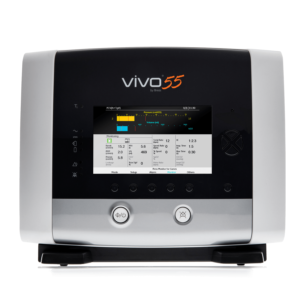
The Vivo 55 is an advanced homecare ventilator designed to deliver secure and comfortable treatment to patients from 10 kg. The Vivo 55 can be used for a wide variety of patients, both life-support and non life-support, thanks to a comprehensive set of modes, circuits and accessories.
The Vivo 55 is designed to meet the needs both of medical staff and a wide range of patients. It combines comfortable and controllable ventilation with excellent monitoring capabilities to potentially reduce readmissions to acute care facilities. The extensive monitoring capabilities help obtain a better insight into the quality of ventilation. The Vivo 55 is an excellent choice for mechanical ventilation at home, in the hospital and in long-term care facilities. The Vivo 55 is prepared for connection to Breas cloud solutions.
Medisorb™ CO2 Absorbent
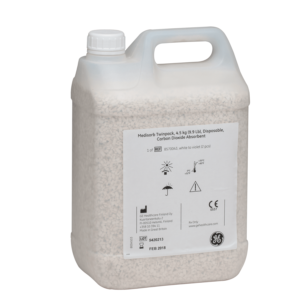
The Medisorb™ CO2 absorbent product line supports GE Healthcare anesthesia machines. Available in a wide range of sizes and styles, it is specifically designed to help change out absorbers simply. It is also available in a low-alkaline formulation, Medisorb™ EF.
As Medisorb™ soda lime becomes exhausted, it changes colour from white to violet. With the Medisorb™ EF EX, this colour change is longer lasting, thus helping to identify previously used absorbent. The Medisorb™ EF EX will also turn violet if desiccated. Note: Colour indication is not a definitive guide to remaining absorbent life and should always be used in conjunction with CO2 monitoring.
Medisorb™ product line:
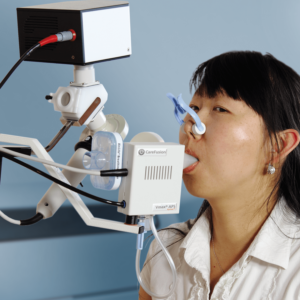
For accurate and safe bronchial challenge testing
Vyntus APS is an Aerosol Provocation System. Up-to-date and sophisticated electronics and mechanics allow for optimal use of its nebulization technology with precise dosing. For the observation measurements Vyntus APS combines with the Vyntus PNEUMO and/ or the Vyntus IOS in one system.
APS nebulizer system integrates into Vyaire MasterScreen™ and Vyntus™ instruments – Spirometry, IOS Impulse Oscillometry, Rocc and BODY Plethysmography. The nebulizer system is powered by SentrySuite™ software and is able to test a broad age range: from 4 years to adult. Choose between single and multiple concentration testing.
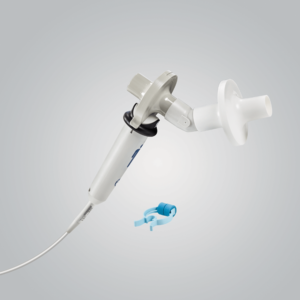
Vyntus™ SPIRO PC Spirometer
The Vyntus™ SPIRO was born out of Vyaire’s obsession to perfect a spirometer that is easy-to-use and has the flexibility to provide accurate results for both the general user and sophisticated lab. Stationary or portable PC spirometer as a stand-alone device or as part of the SentrySuite network.
Thousands of PFT labs depend every day on Vyaire’s proven, accurate and reliable JAEGERTMpneumotach. For hundreds of publications, the JAEGER pneumotach was the device of choice.
Its excellent dynamic range effectively tests a broad population from small children to athletes.
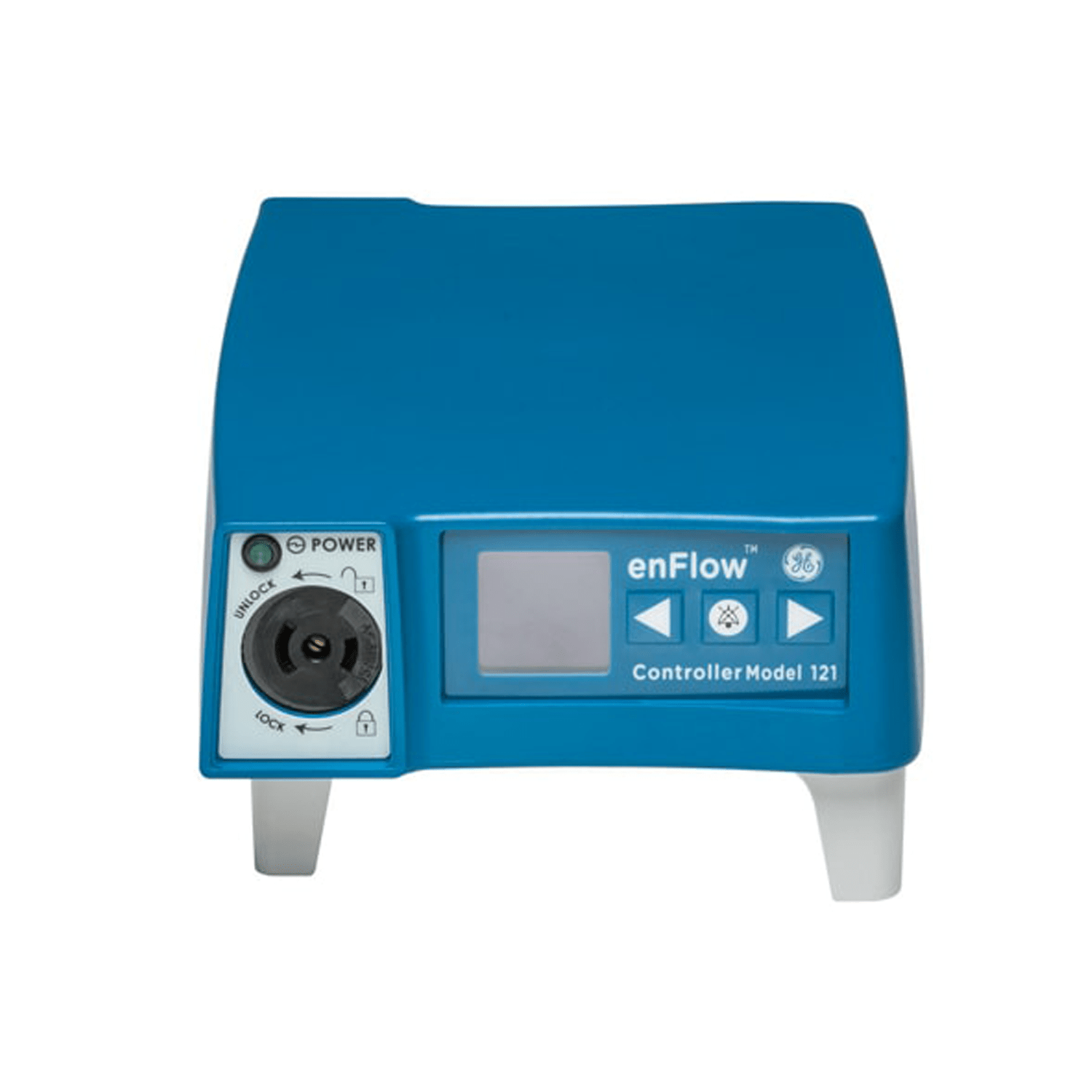
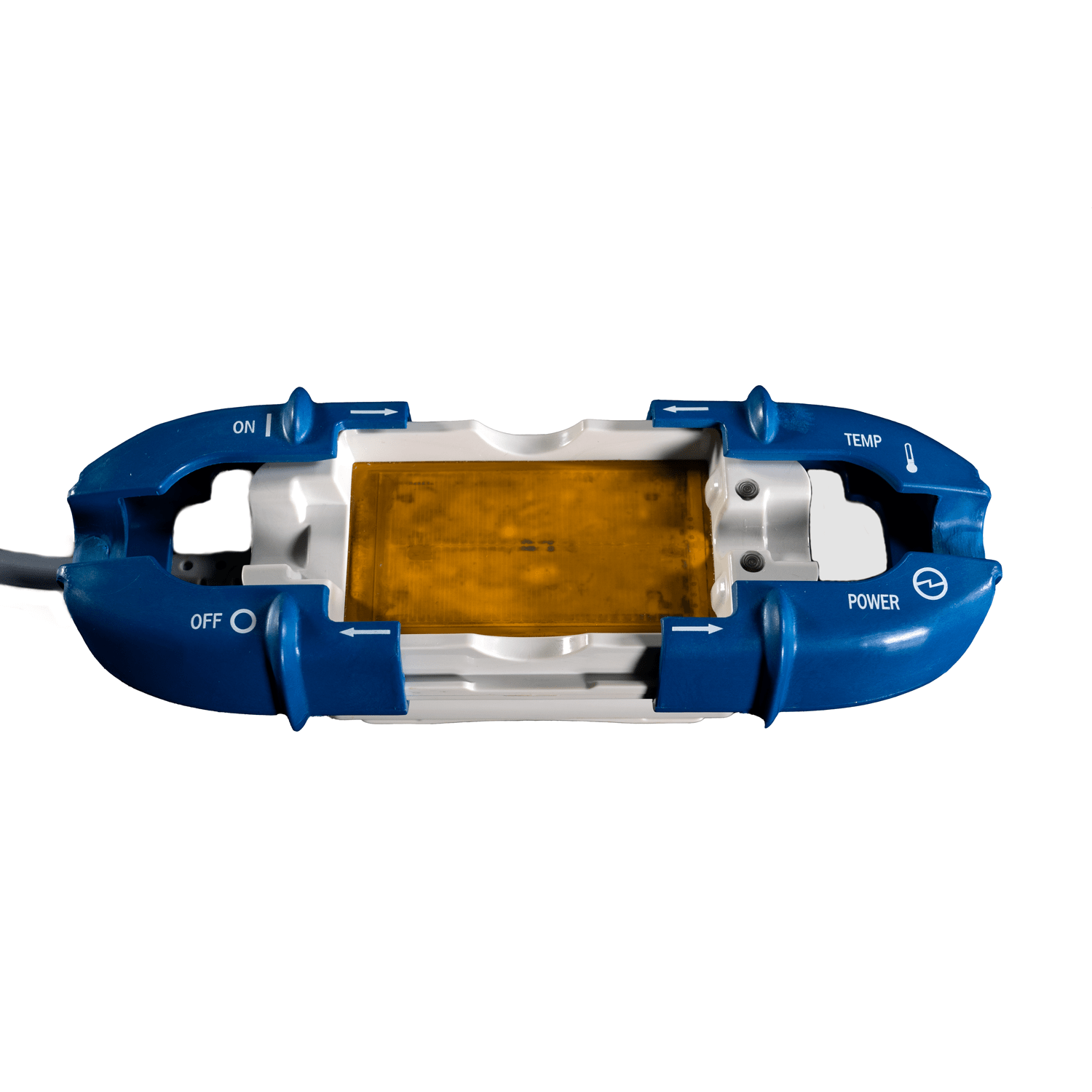
 enFlow Brochure