Glucose and Lactate analyzers for athletes
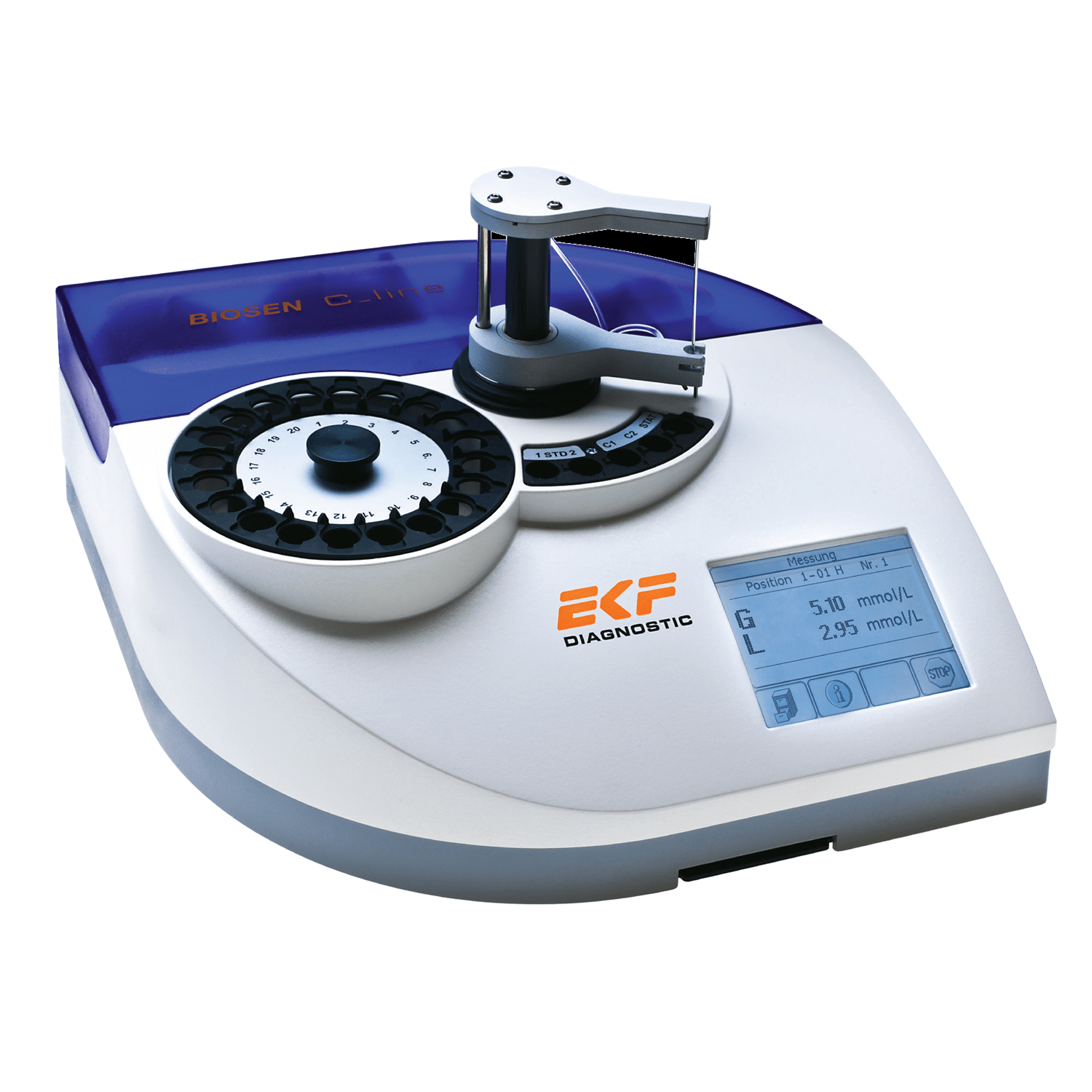
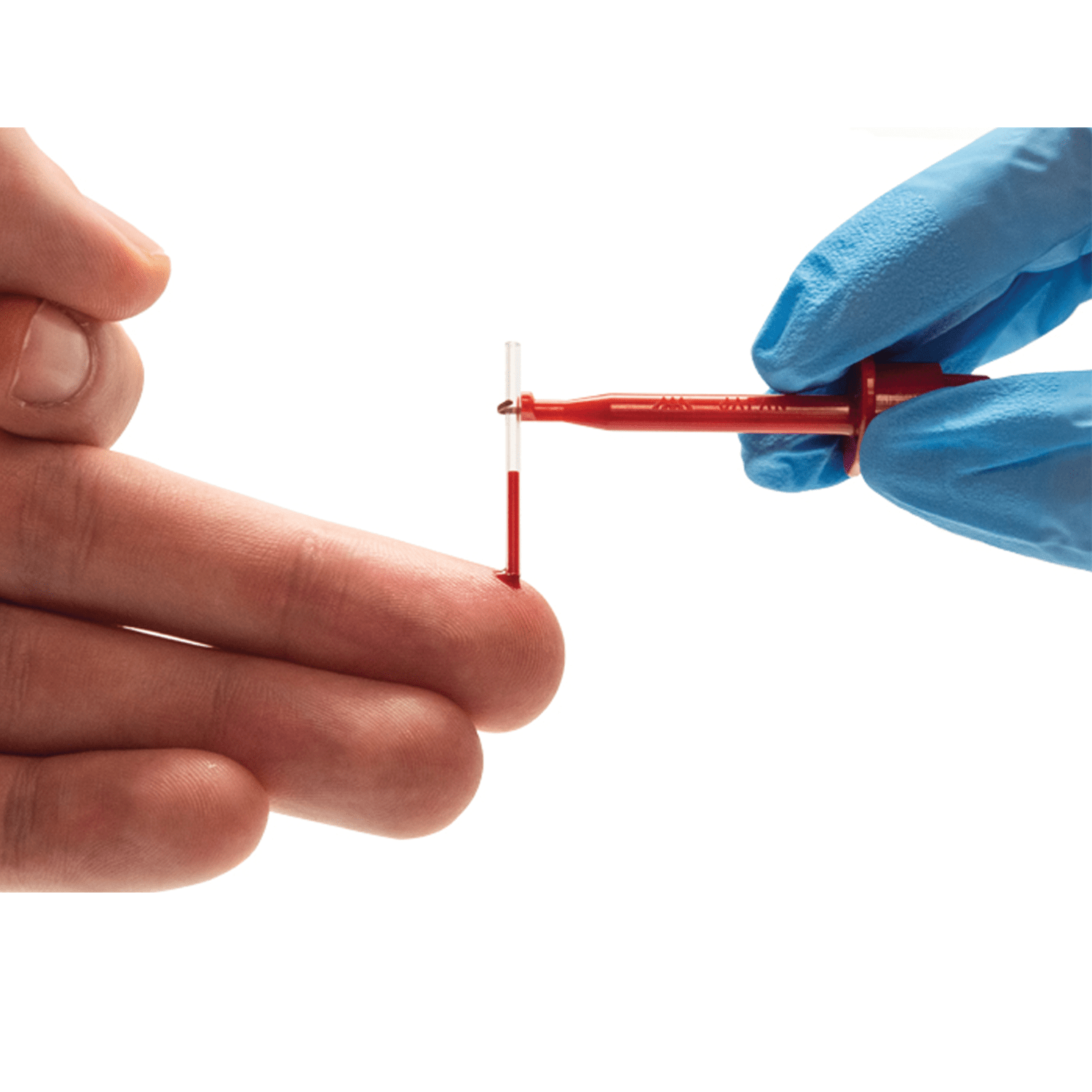
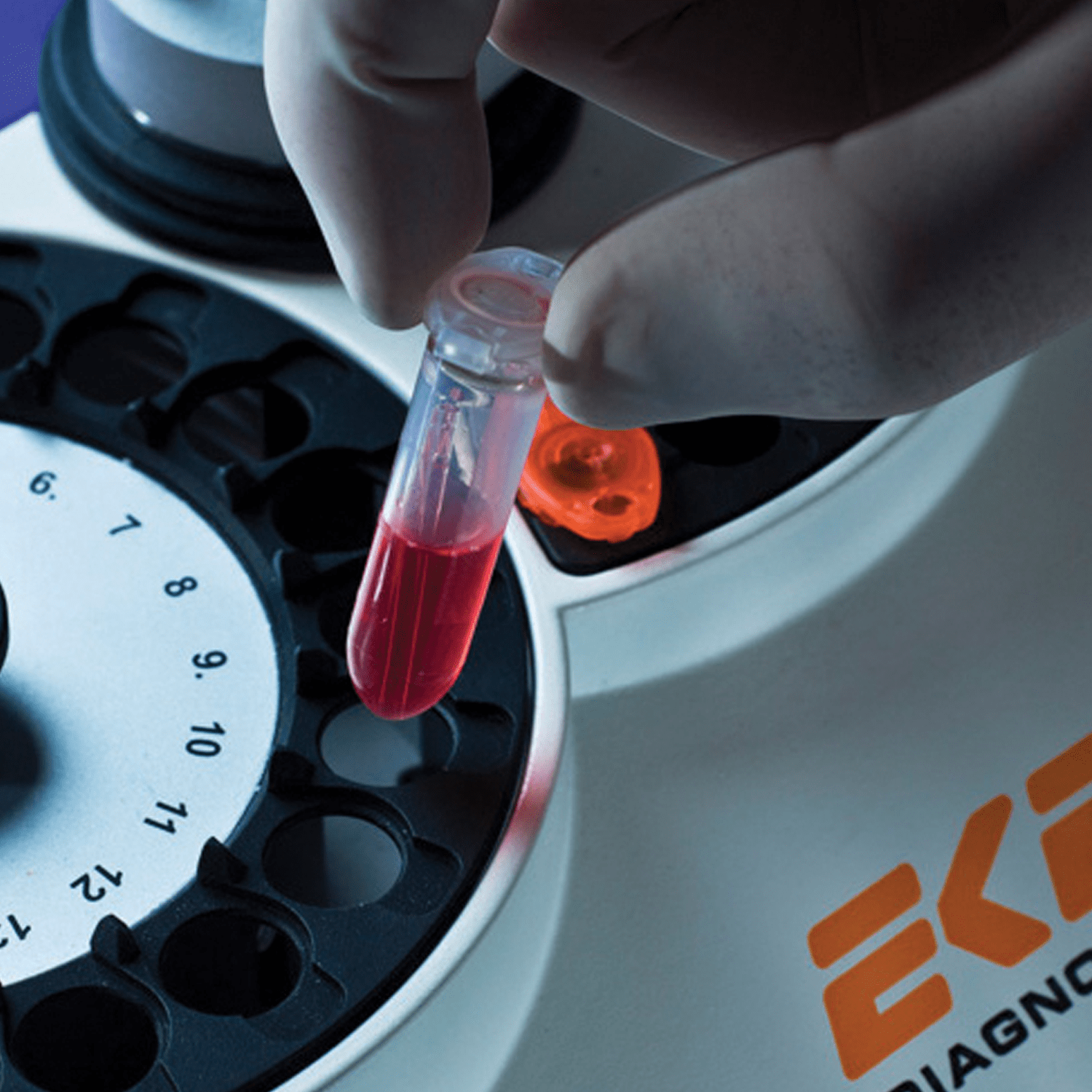
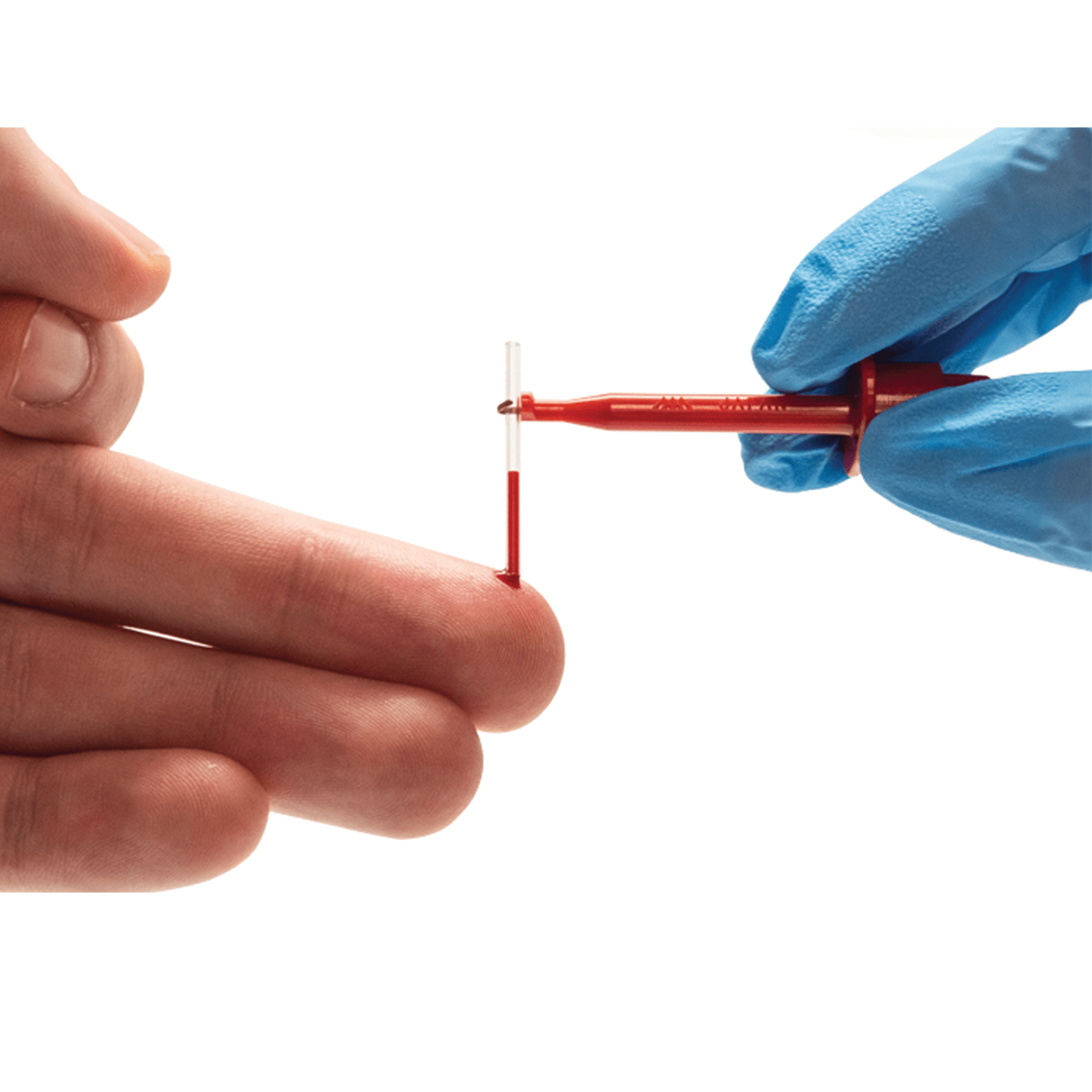
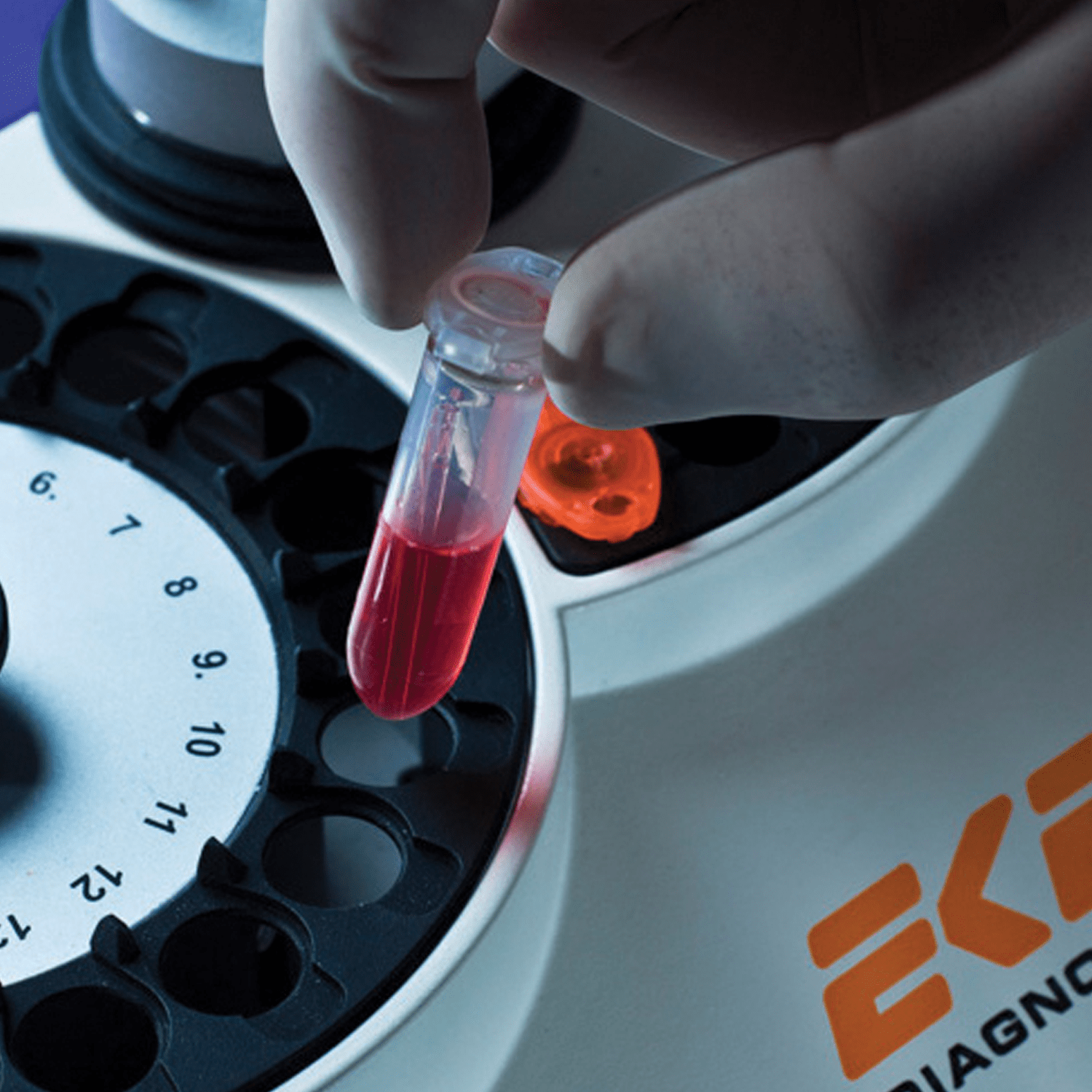
Biosen analyzers can be manufactured as single channel lactate systems or as dual channel systems that can measure glucose at the same time. Biosen uses a special chip sensor technology to deliver fast measurements with a high degree of accuracy at a low cost per test. Due to the long life of the sensor chip the system requires little maintenance, features such as the touch screen and large memory only add to the Biosen analyzer’s user-friendliness.
An integrated barcode reader and printer are also available with most configurations, allowing entire teams of athletes to have multiple step-tests during training.
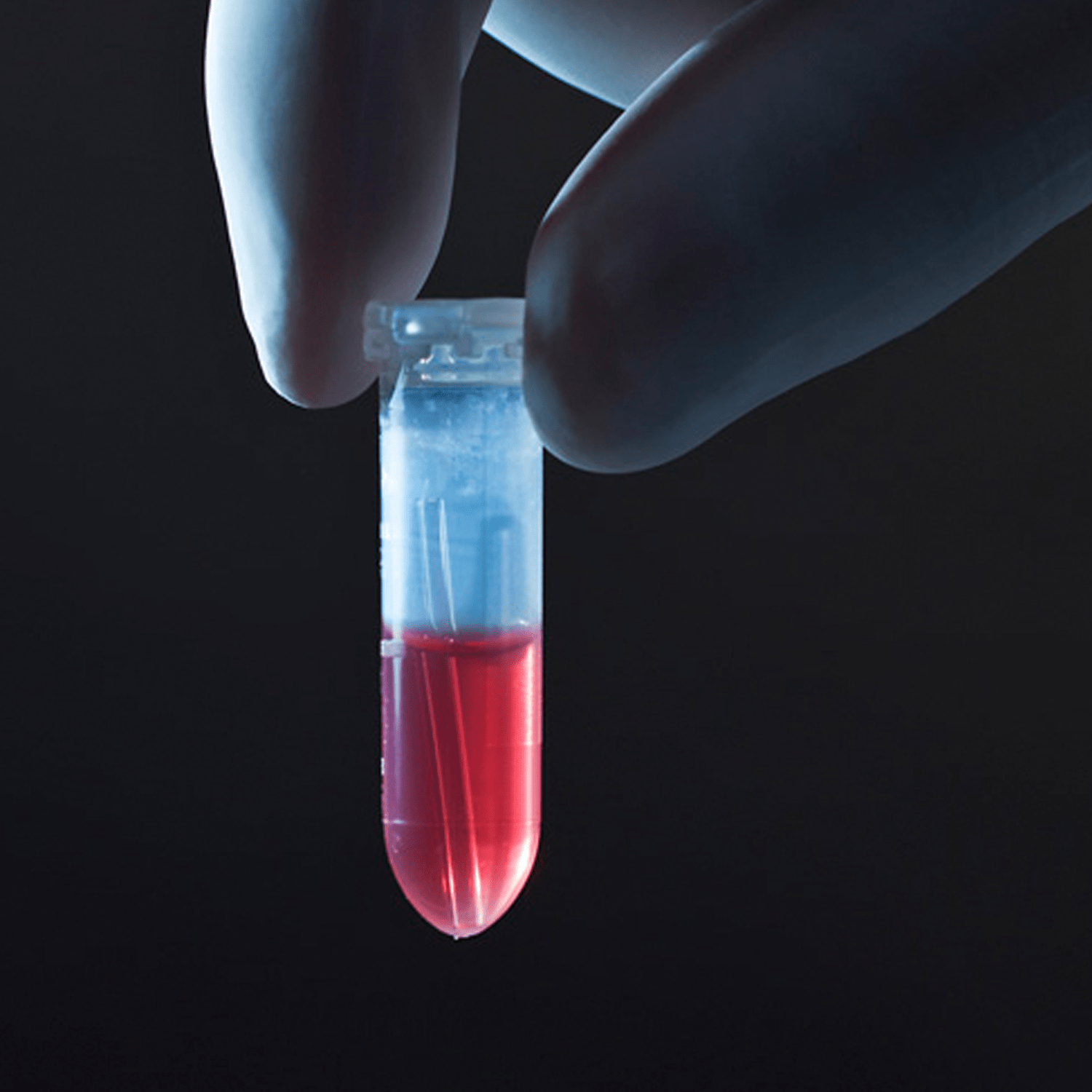
Biosen can test blood, plasma or serum to provide lactate and glucose values with excellent precision (less than 2% CV) over a wide measurement range.
Easy to use
Accurate and reliable
Maximum efficiency and convenience
Efficient data handling
Lactate is produced when the muscles use carbohydrates to create energy for exercise. The underlying metabolic process is the glycolysis. It happens continuously but increases when energy demand is high for a prolonged period of time and availability of oxygen to the cells is limited.
Increased glycolysis produces hydrogen ions and lactate, and it’s the hydrogen ions that cause pain, sore muscles, cramps and fatigue. The body protects itself by telling you: “I can’t do this anymore”.
Regular endurance sports should only take place within the respective ‘lactate steady-state’ – a well-balanced relationship between lactate production and elimination.
Lac [blood] = Lac [produced] ¬ Lac [eliminated ]
During endurance exercises such as long-distance running and cycling, when the demand for energy is high, lactate is produced faster than the ability of the tissues to remove it. As a result, lactate concentration in the blood begins to rise.
The use of a lactate analyzer helps coaches and athletes to determine optimum training programs, define training zones, and avoid inefficient training exercises.
Intense training teaches the body to use lactate as a source of fuel on a par with the carbohydrates stored in muscle tissue and blood sugar. Athletes increase their lactate threshold by training harder, this means their blood lactate increases later and they can maintain a higher workload.
In fitness, sports, and cardio-rehabilitation measuring lactate is supportive to define training intensities for maximum fat catabolism, increases in endurance, and avoid critical over-exhaustion.
With higher exercise intensity the lactate level in the blood reaches the anaerobic threshold or the onset of rapid blood lactate accumulation. This point can be determined in step tests with increasing training intensity in defined intervals e.g., on a treadmill, bicycle or in a field test. The higher the level of effort is when the rise of lactate indicates the anaerobic threshold the better is the performance status of the athlete.
There are many uses of lactate in healthcare. Some of these are well established, for example lactate measurement in fitness and cardio training. As a world-leader in lactate, EKF has been closely involved in recently developed applications of lactate in obstetric medicine.
Regular endurance exercise has many benefits for health and well-being. It has been proven to lower systolic and diastolic blood pressure, improve insulin sensitivity and lower HbA1c levels, lower triglycerides and increase HDL-cholesterol. Regular power exercise, meanwhile, can increase insulin sensitivity.
The maximal fat oxidation rate is reached under long term aerobic conditions because this is when predominantly free fatty acids are used as the energy source. In contrast, under anaerobic conditions mainly carbohydrates are used for generating energy.
The measurement of lactate during step tests reveals the shift from aerobic (oxygen dependent) to complementary anaerobic (non-oxygen dependent) metabolism. The knowledge of this ‘anaerobic threshold’ can be used for the definition of training intensities and conditions to achieve optimal fitness and weight reduction.
Furthermore, lactate testing can support a secure and efficient training avoiding critical over-exhaustion
Service is essential to keep medical equipment operational and safe. Our Nordic service team consists of experienced service technicians stationed across the Nordic countries. Our service technicians are ready to take on your every service need.”

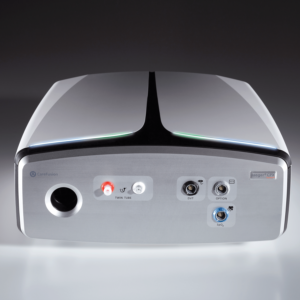
The power of ONE – Vyntus ONE is our innovative pulmonary function system equipped with an ultrasonic sensor.
Vyntus ONE is incredibly capable with a modular design that possesses an impressive array of features. Your Vyntus ONE can even grow later on together with your needs delivering high performance and utility in a single package. It is even able to be extended to also measure cardiopulmonary exercise tests with the same module.
It is designed to make your tests more accurate, less intrusive and less stressful for patients.

For all essential spirometry testing
The modular JAEGER Vyntus™ PNEUMO belongs to the Vyntus Family and is combinable with Vyntus APS for bronchial challenge testing and/or Vyntus IOS Impulse Oscillometry for measuring central and peripheral airway resistance.
Use your Vyntus Pneumo for all of the essential spirometry testing: Flow/Volume-loop (FVC), Slow Vital Capacity (SVC), Maximum Voluntary Ventilation (MVV), Pre and Post medication testing or therapy control.
Optionally, Vyntus Pneumo allows expanding your diagnostic possibilities with measurements like Rocc, P0.1, Pmax, SNIP, rhinomanometry and compliance. Vyntus Pneumo is enhanced by the workflow- and quality-driven SentrySuite™ Software.
The reliable, proven, accurate, heated Jaeger pneumotach has been selected as the measurement device of choice in hundreds of publications. Its excellent dynamic range allows for testing a broad population, from small children to athletes. Thousands of PFT labs profit daily from its high performance.

The dual-valved LiteAire MDI holding chamber: Collapsible, disposable paperboard design.
The LiteAire® collapsible MDI holding chamber is a unique MDI holding chamber and an innovative alternative. LiteAire’s unique dual-valved MDI holding chamber design delivers pop-up convenience and effective drug output at a fraction of the cost of most plastic holding chambers. In many clinical settings, the LiteAire can reduce costs by replacing existing rigid plastic holding chambers or inefficient spacers with a paperboard alternative. The unique design allows the LiteAire to be reused by a patient over multiple doses and meets and often exceeds the performance of plastic holding chambers.

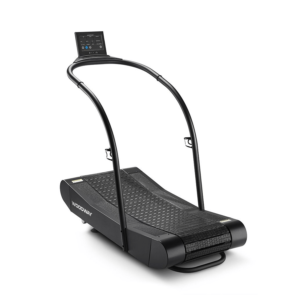
The Katana sport is a modern and reliable treadmill that can be connected to external ECG- and pulmonary devices as well as to a Lode software network (LEM or LCRM). The Lode Katana sport offers smooth acceleration and is continuously adjustable in a range of 0,5 – 30 km/h. The walking surface of 190 x 70 cm and elevation of 0 – 25%, make this treadmill the perfect solution for use in sport medical settings. The treadmill is equipped with a 7″ Control Unit with Touchscreen and fixed side handrails. The treadmill is executed with a special Lode Slat Technology with 106 soft grip covered slats that allows for high speed and a natural walking and running treadmill experience. Its Unique bearing technology delivers high speeds at low noise levels while needing low maintenance.